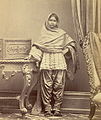


ਸਲਵਾਰ ਕਮੀਜ਼


ਸਲਵਾਰ ਕਮੀਜ਼ ਜਾਂ ਸ਼ਲਵਾਰ ਕਮੀਜ ਦੱਖਣੀ ਏਸ਼ੀਆ ਅਤੇ ਮੱਧ ਏਸ਼ੀਆ ਦੇ ਪੁਰਸ਼ਾਂ ਅਤੇ ਮਹਿਲਾਵਾਂ ਦਾ ਇੱਕ ਰਵਾਇਤੀ ਲਿਬਾਸ ਹੈ। ਸਲਵਾਰ ਇੱਕ ਪੈਂਟ ਜਾਂ ਪਤਲੂਨ ਹੁੰਦਾ ਹੈ, ਅਤੇ ਕਮੀਜ ਇੱਕ ਲੰਮਾ ਕੁੜਤਾ ਹੈ।
ਸਲਵਾਰ ਉਹ ਪੈਂਟ ਹੁੰਦੇ ਹਨ ਜੋ ਆਮ ਤੌਰ 'ਤੇ ਕਮਰ 'ਤੇ ਚੌੜੇ ਹੁੰਦੇ ਹਨ ਅਤੇ ਕਫ਼ ਵਾਲੇ ਤਲ ਤੱਕ ਤੰਗ ਹੁੰਦੇ ਹਨ। ਇਹਨਾਂ ਨੂੰ ਇੱਕ ਡ੍ਰਾਸਟਰਿੰਗ ਜਾਂ ਲਚਕੀਲੇ ਬੈਲਟ ਨਾਲ ਫੜਿਆ ਜਾਂਦਾ ਹੈ, ਜਿਸ ਕਾਰਨ ਇਹ ਕਮਰ ਦੇ ਦੁਆਲੇ ਪਲੇਟ ਹੋ ਜਾਂਦੇ ਹਨ।[2] ਪੈਂਟ ਚੌੜੇ ਅਤੇ ਬੈਗੀ ਹੋ ਸਕਦੇ ਹਨ, ਜਾਂ ਇਹਨਾਂ ਨੂੰ ਪੱਖਪਾਤ 'ਤੇ ਕਾਫ਼ੀ ਤੰਗ ਕੱਟਿਆ ਜਾ ਸਕਦਾ ਹੈ। ਸਲਵਾਰ ਰਵਾਇਤੀ ਤੌਰ 'ਤੇ ਇੱਕ ਵਿਸ਼ਾਲ ਖੇਤਰ ਵਿੱਚ ਪਹਿਨੇ ਜਾਂਦੇ ਰਹੇ ਹਨ ਜਿਸ ਵਿੱਚ ਪੂਰਬੀ ਯੂਰਪ,[3][4] ਪੱਛਮੀ ਏਸ਼ੀਆ,[5][6] ਮੱਧ ਏਸ਼ੀਆ ਅਤੇ ਦੱਖਣੀ ਏਸ਼ੀਆ ਸ਼ਾਮਲ ਹਨ। ਕਮੀਜ਼ ਇੱਕ ਲੰਬੀ ਕਮੀਜ਼ ਜਾਂ ਟਿਊਨਿਕ ਹੈ।[7] ਸਾਈਡ ਸੀਮ ਕਮਰ-ਲਾਈਨ (ਚੱਕ [ਨੋਟ 1] ਵਜੋਂ ਜਾਣਿਆ ਜਾਂਦਾ ਹੈ) ਦੇ ਹੇਠਾਂ ਖੁੱਲ੍ਹੇ ਛੱਡ ਦਿੱਤੇ ਜਾਂਦੇ ਹਨ, ਜੋ ਪਹਿਨਣ ਵਾਲੇ ਨੂੰ ਘੁੰਮਣ-ਫਿਰਨ ਦੀ ਵਧੇਰੇ ਆਜ਼ਾਦੀ ਦਿੰਦਾ ਹੈ। ਕਮੀਜ਼ ਆਮ ਤੌਰ 'ਤੇ ਸਿੱਧਾ ਅਤੇ ਸਮਤਲ ਕੱਟਿਆ ਜਾਂਦਾ ਹੈ; ਪੁਰਾਣੇ ਕਮੀਜ਼ ਰਵਾਇਤੀ ਕੱਟਾਂ ਦੀ ਵਰਤੋਂ ਕਰਦੇ ਹਨ; ਆਧੁਨਿਕ ਕਮੀਜ਼ ਵਿੱਚ ਯੂਰਪੀਅਨ-ਪ੍ਰੇਰਿਤ ਸੈੱਟ-ਇਨ ਸਲੀਵਜ਼ ਹੋਣ ਦੀ ਜ਼ਿਆਦਾ ਸੰਭਾਵਨਾ ਹੁੰਦੀ ਹੈ। ਕਮੀਜ਼ ਵਿੱਚ ਯੂਰਪੀਅਨ-ਸ਼ੈਲੀ ਦਾ ਕਾਲਰ, ਮੈਂਡਰਿਨ ਕਾਲਰ ਹੋ ਸਕਦਾ ਹੈ, ਜਾਂ ਇਹ ਕਾਲਰ ਰਹਿਤ ਹੋ ਸਕਦਾ ਹੈ; ਬਾਅਦ ਵਾਲੇ ਮਾਮਲੇ ਵਿੱਚ, ਔਰਤਾਂ ਦੇ ਕੱਪੜੇ ਦੇ ਰੂਪ ਵਿੱਚ ਇਸਦਾ ਡਿਜ਼ਾਈਨ ਕੁੜਤੇ ਵਰਗਾ ਹੈ। ਇਸ ਸੁਮੇਲ ਵਾਲੇ ਕੱਪੜੇ ਨੂੰ ਕਈ ਵਾਰ ਸਲਵਾਰ ਕੁੜਤਾ, ਸਲਵਾਰ ਸੂਟ,[8] ਪੰਜਾਬੀ ਸੂਟ,[9][10] ਅਤੇ ਪੰਜਾਬੀ ਪਹਿਰਾਵਾ ਕਿਹਾ ਜਾਂਦਾ ਹੈ।.[11][12][13]
ਸਲਵਾਰ ਅਤੇ ਕਮੀਜ਼ ਨੂੰ 13ਵੀਂ ਸਦੀ ਵਿੱਚ ਉੱਤਰ ਵਿੱਚ ਮੁਸਲਮਾਨਾਂ ਦੇ ਆਉਣ ਨਾਲ ਦੱਖਣੀ ਏਸ਼ੀਆ ਵਿੱਚ ਪੇਸ਼ ਕੀਤਾ ਗਿਆ ਸੀ: ਪਹਿਲਾਂ ਮੁਸਲਿਮ ਔਰਤਾਂ ਦੁਆਰਾ ਪਹਿਨਿਆ ਜਾਂਦਾ ਸੀ, ਇਹਨਾਂ ਦੀ ਵਰਤੋਂ ਹੌਲੀ-ਹੌਲੀ ਫੈਲ ਗਈ, ਜਿਸ ਨਾਲ ਇਹਨਾਂ ਨੂੰ ਇੱਕ ਖੇਤਰੀ ਸ਼ੈਲੀ ਬਣਾ ਦਿੱਤਾ ਗਿਆ,[14][15][16] ਖਾਸ ਕਰਕੇ ਇਤਿਹਾਸਕ ਪੰਜਾਬ ਖੇਤਰ ਵਿੱਚ।[10][17][18] ਸ਼ਲਵਾਰ-ਕਮੀਜ਼ ਪਾਕਿਸਤਾਨ ਵਿੱਚ ਮਰਦਾਂ ਅਤੇ ਔਰਤਾਂ ਦੁਆਰਾ ਵਿਆਪਕ ਤੌਰ 'ਤੇ ਪਹਿਨਿਆ ਜਾਂਦਾ ਹੈ, ਅਤੇ ਇਹ ਦੇਸ਼ ਦਾ ਰਾਸ਼ਟਰੀ ਪਹਿਰਾਵਾ ਹੈ। ਇਹ ਅਫਗਾਨਿਸਤਾਨ ਵਿੱਚ ਮਰਦਾਂ ਅਤੇ ਔਰਤਾਂ ਦੁਆਰਾ ਵੀ ਵਿਆਪਕ ਤੌਰ 'ਤੇ ਪਹਿਨਿਆ ਜਾਂਦਾ ਹੈ, ਅਤੇ ਭਾਰਤ ਦੇ ਪੰਜਾਬ ਖੇਤਰ ਵਿੱਚ ਕੁਝ ਮਰਦਾਂ ਦੁਆਰਾ, ਅਤੇ ਇਸਨੂੰ ਮੱਧਯੁਗੀ ਸਮੇਂ ਤੋਂ ਪੂਰੇ ਭਾਰਤ ਵਿੱਚ ਔਰਤਾਂ ਦੁਆਰਾ ਅਪਣਾਇਆ ਜਾਂਦਾ ਰਿਹਾ ਹੈ, [30][31] ਅਤੇ ਆਮ ਤੌਰ 'ਤੇ ਦੱਖਣੀ ਏਸ਼ੀਆ ਵਿੱਚ।[19]
ਜਦੋਂ ਕੁਝ ਖੇਤਰਾਂ ਵਿੱਚ ਔਰਤਾਂ ਸਲਵਾਰ-ਕਮੀਜ਼ ਪਹਿਨਦੀਆਂ ਹਨ, ਤਾਂ ਉਹ ਆਮ ਤੌਰ 'ਤੇ ਸਿਰ ਜਾਂ ਗਰਦਨ ਦੇ ਦੁਆਲੇ ਇੱਕ ਲੰਮਾ ਸਕਾਰਫ਼ ਜਾਂ ਸ਼ਾਲ ਪਹਿਨਦੀਆਂ ਹਨ ਜਿਸਨੂੰ ਦੁਪੱਟਾ ਕਿਹਾ ਜਾਂਦਾ ਹੈ।[20][21] ਦੱਖਣੀ ਏਸ਼ੀਆ ਵਿੱਚ, ਦੁਪੱਟਾ ਨਿਮਰਤਾ ਦੇ ਇੱਕ ਰੂਪ ਵਜੋਂ ਵੀ ਵਰਤਿਆ ਜਾਂਦਾ ਹੈ - ਹਾਲਾਂਕਿ ਇਹ ਨਾਜ਼ੁਕ ਸਮੱਗਰੀ ਤੋਂ ਬਣਿਆ ਹੁੰਦਾ ਹੈ, ਇਹ ਮੋਢਿਆਂ ਤੋਂ ਲੰਘ ਕੇ ਸਰੀਰ ਦੇ ਉੱਪਰਲੇ ਹਿੱਸੇ ਨੂੰ ਧੁੰਦਲਾ ਕਰ ਦਿੰਦਾ ਹੈ। ਮੁਸਲਿਮ ਔਰਤਾਂ ਲਈ, ਦੁਪੱਟਾ ਚਾਦਰ ਜਾਂ ਬੁਰਕੇ (ਹਿਜਾਬ ਅਤੇ ਪਰਦਾ ਵੇਖੋ) ਦਾ ਇੱਕ ਘੱਟ ਸਖ਼ਤ ਵਿਕਲਪ ਹੈ; ਸਿੱਖ ਅਤੇ ਹਿੰਦੂ ਔਰਤਾਂ ਲਈ, ਦੁਪੱਟਾ ਉਦੋਂ ਲਾਭਦਾਇਕ ਹੁੰਦਾ ਹੈ ਜਦੋਂ ਸਿਰ ਨੂੰ ਢੱਕਣਾ ਜ਼ਰੂਰੀ ਹੁੰਦਾ ਹੈ, ਜਿਵੇਂ ਕਿ ਕਿਸੇ ਮੰਦਰ ਵਿੱਚ ਜਾਂ ਬਜ਼ੁਰਗਾਂ ਦੀ ਮੌਜੂਦਗੀ ਵਿੱਚ।[22] ਦੱਖਣੀ ਏਸ਼ੀਆ ਵਿੱਚ ਹਰ ਜਗ੍ਹਾ, ਪਹਿਰਾਵੇ ਦੇ ਆਧੁਨਿਕ ਸੰਸਕਰਣ ਵਿਕਸਤ ਹੋਏ ਹਨ; ਸ਼ਲਵਾਰਾਂ ਨੂੰ ਕਮਰ ਦੇ ਹੇਠਾਂ ਪਹਿਨਿਆ ਜਾਂਦਾ ਹੈ, ਕਮੀਜ਼ ਦੀ ਲੰਬਾਈ ਛੋਟੀ ਹੁੰਦੀ ਹੈ, ਉੱਚੇ ਟੁਕੜੇ ਹੁੰਦੇ ਹਨ, ਗਰਦਨ ਦੀਆਂ ਹੇਠਲੀਆਂ ਲਾਈਨਾਂ ਅਤੇ ਬੈਕਲਾਈਨਾਂ ਹੁੰਦੀਆਂ ਹਨ, ਅਤੇ ਕੱਟੀਆਂ ਹੋਈਆਂ ਸਲੀਵਜ਼ ਜਾਂ ਬਿਨਾਂ ਸਲੀਵਜ਼ ਦੇ ਹੁੰਦੇ ਹਨ।[23]
ਚਿੱਤਰਸ਼ਾਲਾ
[ਸੋਧੋ]-
ਮਹਿਲਾਵਾਂ ਸਲਵਾਰ ਕਮੀਜ ਚ।
-
ਵਿਭਿੰਨ ਰੰਗਾਂ ਵਾਲੇ ਸਲਵਾਰ ਕਮੀਜ ਪਹਿਣੀਆਂ ਹੋਈਆਂ ਤਮਿਲ ਮਹਿਲਾਵਾਂ।
-
ਅਫਗਾਨਿਸਤਾਨ ਹਵਾਈ ਅੱਡੇ ਚ ਸਲਵਾਰ ਕਮੀਜ ਪਹਿਣ ਹੋਏ ਲੋਕ।
-
ਪਹਾੜੀ ਮਹਿਲਾਵਾਂ, ਕਸ਼ਮੀਰ, ਸੁਥਾਨ ਕਮੀਜ ਚ. c. 1890।
-
ਦੁੱਰਾਨੀ ਸਾਮਰਾਜ ਦੇ ਅਫਗਾਨ ਸ਼ਾਹੀ ਸਿਪਾਹੀਆਂ।
ਬਾਹਰੀ ਕੜੀਆਂ
[ਸੋਧੋ]- Fatima Jinnah Wearing Shalwar Qameez
- Ministry of Culture Pakistan National Dress Archived 2009-09-04 at the Wayback Machine..
- The Hindu: The spread of the salwar Archived 2009-06-27 at the Wayback Machine.
- mehndi dresses Archived 2018-05-22 at the Wayback Machine.*
ਹਵਾਲੇ
[ਸੋਧੋ]- ↑ Derailing Democracy in Afghanistan: Elections in an Unstable Political Landscape, Columbia University Press, 2013, p. 178, ISBN 978-0-231-53574-8,
For example, many politicians will wear suits while in Kabul, but change into shalwar kemeez, a traditional costume of loose pants and a tunic, when returning to their home provinces to emphasize their local connections.
- ↑ ਹਵਾਲੇ ਵਿੱਚ ਗ਼ਲਤੀ:Invalid
<ref>tag; no text was provided for refs namedStevensonWaite2011 - ↑ Gavrilova, Raĭna; Gavrilova, Rajna D. (1999), Bulgarian Urban Culture in the Eighteenth and Nineteenth Centuries, Susquehanna University Press, p. 145, ISBN 978-1-57591-015-4
- ↑ Cole, Jeffrey E. (2011), Ethnic Groups of Europe: An Encyclopedia: An Encyclopedia, ABC-CLIO, p. 289, ISBN 978-1-59884-303-3
- ↑ Scarce, Jennifer M. (2014), Women's Costume of the Near and Middle East, Routledge, p. 73, ISBN 978-1-136-78385-2
- ↑ Gole, Nilufer; Göle, Nilüfer (1996), The Forbidden Modern: Civilization and Veiling, University of Michigan Press, p. 60, ISBN 0-472-06630-7
- ↑ Stevenson, Angus; Waite, Maurice (2011), Concise Oxford English Dictionary: Book & CD-ROM Set, Oxford University Press, p. 774, ISBN 978-0-19-960110-3,
Kameez: A long tunic worn by many people from South Asia, typically with a salwar or churidars. Origin: From Arabic qamīṣ, perhaps from late Latin camisia (see chemise).
- ↑ Platts, John Thompson (February 2015) [1884], A dictionary of Urdu, classical Hindi, and English (online ed.), London: W. H. Allen & Co., p. 418, archived from the original on 2021-02-24, retrieved 2026-01-21
- ↑ Shukla, Pravina (2015). The Grace of Four Moons: Dress, Adornment, and the Art of the Body in Modern India. Indiana University Press. p. 75. ISBN 978-0-253-02121-2.
You can buy an entire three-piece salwar suit, or a two-piece suit that consists of either a readymade kurta or a kurta cloth piece, each with a matching dupatta. For these, you must have the salwar pants stitched from cloth you buy separately. A third option would be to buy a two-piece ensemble, consisting of the top and pants, leaving you the task of buying an appropriate dupatta, or using one you already own, or buying a strip of cloth and having it dyed to your desire. The end result will always be a three-piece ensemble, but a customer may start with one piece (only the kurta) or two pieces (kurta and pants, or kurta and dupatta), and exercise her creativity and fashion sense to end up with the complete salwar kurta outfit.
- ↑ 10.0 10.1 Mooney, Nicola (2011), Rural Nostalgias and Transnational Dreams: Identity and Modernity Among Jat Sikhs, University of Toronto Press, p. 260, ISBN 978-0-8020-9257-1,
The salwar-kameez is a form of dress that has been adopted widely in Punjab and is now known in English as the Punjabi suit; J. P. S. Uberoi suggests that the salwar-kameez is an Afghani import to Punjab (1998 personal communication). Punjabi forms of dress are therefore constructs or inventions of tradition rather than having historical veracity.
- ↑ The Punjab and Bengal. Anuradha Prakashan. 17 April 2022. ISBN 978-93-91873-37-0.
- ↑ Gillespie, Marie (4 January 2002). Television, Ethnicity and Cultural Change. Routledge. ISBN 978-1-134-86293-1.
- ↑ Singh, Maina Chawla (31 October 2013). Gender, Religion, and the Heathen Lands: American Missionary Women in South Asia, 1860s-1940s. Routledge. ISBN 978-1-135-65345-3.
- ↑ Tarlo, Emma (1996), Clothing Matters: Dress and Identity in India, Chicago and London: University of Chicago Press, p. 28, ISBN 978-0-226-78976-7,
The comparatively limited range of stitched clothes available in pre-medieval India was, however, greatly expanded during the Sultanate and Moghul periods when various types of trousers, robes and tunics gained in popularity (Chaudhuri 1976: 51). ... Muslim women generally wore a veil (dupata), a long tunic (kamiz) with trousers (shalwar) or the wide flared skirt-like trouser (gharara). Following the Muslim conquest of northern India, many Hindu women gradually adopted such dress, eventually making it the regional style for parts of Northern India.
- ↑ Tarlo, Emma (1996), Clothing Matters: Dress and Identity in India, University of Chicago Press, p. 133, ISBN 978-0-226-78976-7,
The shalwar kamiz, though introduced to India by Muslims, has been worn for centuries by both Hindus and Muslims in parts of northern India (see chapter 2). It has recently become the acceptable garb of female college students of all religions throughout the subcontinent. However, once married, Hindu women often revert to saris unless they either live in the far northern states or belong to a cosmopolitan urban elite. In most rural areas, the shalwar kamiz has retained its Islamic associations more strongly than in cities and is worn only by the educated few.
- ↑ Sun, Ming-Ju (2001), Traditional Fashions from India Paper Dolls, Courier Corporation, p. 19, ISBN 978-0-486-41328-0,
Much of traditional Indian women's clothing changed in the 12th century, when Muslims conquered north and central India. New dress styles were developed to cover the body as much as possible, befitting Islamic preferences. One option was a costume of wide-legged trousers (salwar) snugly fitted around the calves, worn with a long tunic (kameez) and short, fitted jacket.
- ↑ Fraile, Sandra Santos (11 July 2013), "Sikhs in Barcelona", in Blanes, Ruy; Mapril, José (eds.), Sites and Politics of Religious Diversity in Southern Europe: The Best of All Gods, BRILL, p. 263, ISBN 978-90-04-25524-1,
The shalwar kamiz was worn traditionally by Muslim women and gradually adopted by many Hindu women following the Muslim conquest of northern India. Eventually, it became the regional style for parts of northern India, as in Punjab where it has been worn for centuries.
- ↑ Shome, Raka (2014), Diana and Beyond: White Femininity, National Identity, and Contemporary Media Culture, University of Illinois Press, pp. 102–03, ISBN 978-0-252-09668-6,
The salwar kameez entered India (when Pakistan, Bangladesh, and current-day India together made up India or the British Raj) as early as 12th century through Mughal (Muslim) invasions from Central and West Asia. India and Pakistan have a strong Persian influence. Until before India's independence from the British, it is Muslim women (and men) in the then British Raj (the term used to refer to India before independence) who primarily wore the salwar kameez, although there were gender and regional variations in style. After Pakistan/Indian independence from the British, the salwar kameez became an everyday clothing item especially for North Indian women (including Sikh women, although Sikhs are not Muslims) and Pakistani women because the influence of Muslim culture was the strongest in Pakistan and North India around the time of independence.
- ↑ Condra, Jill (2013), Encyclopedia of National Dress: Traditional Clothing around the World (in ਅੰਗਰੇਜ਼ੀ), ABC-CLIO, p. 570, ISBN 9780313376375,
Today, throughout India and especially in the northern regions and in larger cities such as Delhi, the shalwar kameez is worn frequently by Muslims and non-Muslims alike; the style for women has been widely adopted as an alternative to the sari and to Western clothing, particularly by college-age and unmarried young women. ... The kurta for men is similar in form and style to the shalwar kameez. The kurta, or tunic-length shirt, is collarless or has a mandarin- or Nehru style collar.
- ↑ Farrar, Max; Valli, Yasmin (2012). Islam in the West: Key Issues in Multiculturalism. Palgrave Macmillan UK. p. 101. ISBN 978-1-137-02506-7.
The women's form of Shalwar Kameez is usually accompanied by a scarf or 'dupatta' which can be worn around the neck, covering the chest area for 'modesty' or over the hair as a head covering.
- ↑ Ozyegin, Gul (2016), Gender and Sexuality in Muslim Cultures, Routledge, p. 222, ISBN 978-1-317-13051-2,
a dupatta is a long, wide piece of cloth measuring approximately 2-2.5 meters long and 1 meter wide.
- ↑ Shukla, Pravina (2015), The Grace of Four Moons: Dress, Adornment, and the Art of the Body in Modern India, Indiana University Press, p. 72, ISBN 978-0-253-02121-2,
Muslim and Punjabi women—whether Muslim, Sikh, or Hindu—often wear the dupatta over the head to create a modest look while framing the face with colour. When entering a temple, Hindu women might comparably use their dupattas to cover their heads. Though the dupatta is often made of flimsy cloth and does not actually cover the body, its presence implies modesty, like many of the outer garments worn by Muslim women that do not cover much but do provide a symbolic extra layer, ...
- ↑ Koerner, Stephanie (2016), Unquiet Pasts: Risk Society, Lived Cultural Heritage, Re-designing Reflexivity, Taylor & Francis, p. 405, ISBN 978-1-351-87667-4,
The Pakistani National dress worn by women is Shalwar Kameez. This consists of a long tunic (Kameez) teamed with a wide legged trouser (Shalwar) that skims in at the bottom accompanied by a duppata, which is a less stringent alternative to the burqa. Modern versions of this National dress have evolved into less modest versions. Shalwar have become more low cut so that the hips are visible and are worn with a shorter length of Kameez which has high splits and may have a lowcut neckline and backline as well as being sleeveless or having cropped sleeves.
| ਇਹ ਲੇਖ ਅਧਾਰ ਹੈ। ਤੁਸੀਂ ਇਸਨੂੰ ਵਧਾਕੇ ਵਿਕੀਪੀਡੀਆ ਦੀ ਮੱਦਦ ਕਰ ਸਕਦੇ ਹੋ। |